Because I’m Bored, Let’s Figure Out Every Dexter Character’s Signature “Disco Elysium” Skill

Something I've always enjoyed in my time writing critically on media are weird comparisons — taking two pieces of media that otherwise would never be placed alongside each other and seeing how hard I have to smash them together to generate something interesting. In that vein, I recently finished binging Dexter, and made a joke with a friend who also loves Disco Elysium about whether Dexter Morgan had access to Shivers. Then I thought about it a little too long... and this happened.

To the Stars and Back: A Metroid Series Ranking

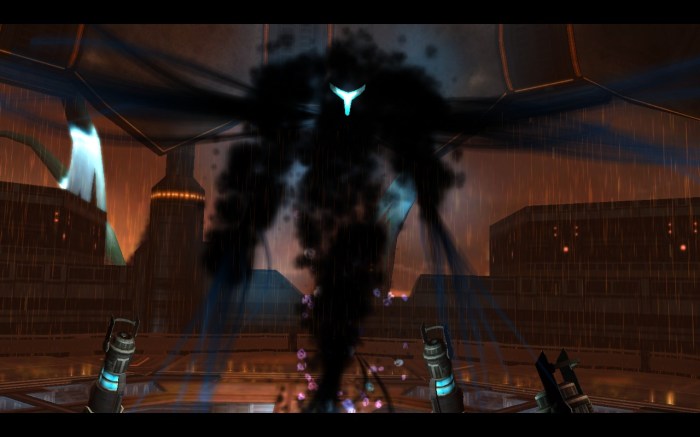
Strap in for my tiered ranking of every Metroid game — from the ones I struggled to make it through to the ones I wish I could experience for the first time over and over again.

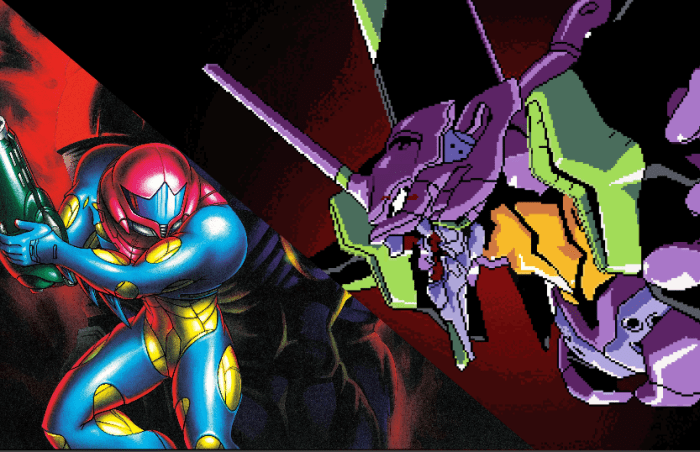
Screw Attacks, Third Impacts, and Other Interstellar Horrors

As a medium, video games are defined by different forms of touch. Both the interface between player and game and the action of most games itself relies upon a set of simple rules — what kinds of responses a particular touch will engender, and what groups of pixels can and cannot be safely touched. Games have their own language for these interactions: collision detection defines the act of in-game touch, and hitboxes measure where and when that touch brings pain. In most games, this becomes a kind of broad and neutral framework: a foundation on which mechanical and narrative structures can be built. But in Metroid, touch becomes its own singular kind of horror.

In Abandoning Perfection, Rain World Finds Nirvana

Rain World has a certain reputation in the gaming sphere: a hellishly difficult 2D platformer largely panned by critics at release, but that found a second life via a relatively small and deeply dedicated community of fans. I had tried to play it several times over the past few years, emboldened each time by various accomplishments in other "difficult" games — and each time I found myself unable to make it past the first few levels. This time, I broke through with the help and advice of some friends on the Waypoint forums, and behind that initial wall I found a piece of art that, especially in its "remixed" form, has more to say about that idea of video game difficulty than any other game I've played.

Everything Everywhere All At Once vs. the Decade of Cynical Art

As we all slowly drift away from the media landscape of the 2010s, I've found myself obsessed with what might be its most unwavering aesthetic pillar. From the Marvel Universe's cinematic sprawl, to our final great shared cultural object in the form of Game of Thrones, to the explosion of reality TV, to a set of Best Picture winners that includes films like Argo, Spotlight, and Birdman — our last decade of popular culture was defined by a specific and enduring strain of cynicism. Film and television, particularly American film and television, particularly American film and television that might be seen by anyone outside of tiny arthouse theaters or tight-packed city centers, had to guard itself against the charge of taking itself too seriously. This was the decade that American film and television became afraid of its own potential, and I think a lot of people never want to leave that comfort zone behind.

Metroid II: Return of Samus: Crafting the Genocide Run

There’s something eerily beautiful about the ending to this game. In a way, it does mirror the first Metroid — the shafts filled with metroid larvae that appear just before Samus fights the queen feel much like the entrance to Tourian, and it fills the space after its final boss with an ascent. But this ascent isn’t timed and frantic; it’s really the only moment of peace this otherwise relentless game has to offer. It also is the only moment the game forces Samus to wait for anything, as the hatchling gnaws through otherwise impermeable barriers. It is, in a way, as if it’s asking her to stop and recollect — and it comes as close as it can to a feeling of revelation.

Metroid, and the Art of Getting Lost

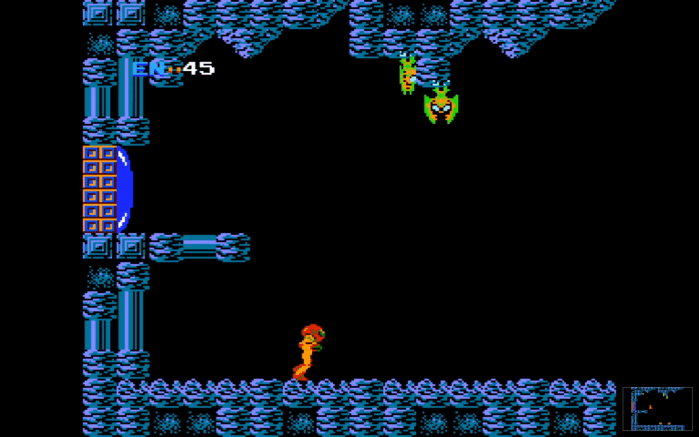
Metroid wants to disorient you, to leave you confused and scared and wondering wait, have I been here before as you backtrack through its labyrinthine world, and the result is an environment that feels like its own kind of enemy. And its lack of a visual map — a design choice almost unheard of in decades since — is essential to that feeling; all you have to rely on is your notes and your memory, and both are set up to let you down.

Another Metroid 2(021) Rewind: Mission Statement

After almost two decades in limbo, a game called Metroid Dread will be coming to the Nintendo Switch in early October. In the meantime, join me for a deep dive into why that matters — not just for longtime fans of a seminal series, but for anyone interested in the way video games developed as an art form and storytelling medium. So, over the next three months, I will be playing through the entirety of the Metroid and Metroid Prime series. Welcome to my 2021 Metroid Rewind.

Dream No More: How Hollow Knight’s Story Mirrors the Myth of Prometheus

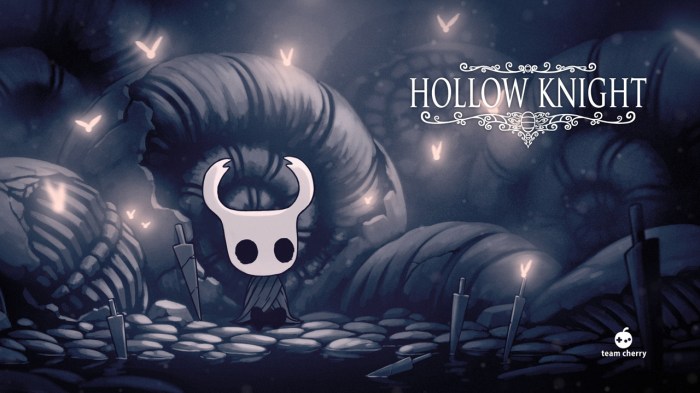
Hollow Knight expands from the journeys of a wanderer through a vast, decaying kingdom—beginning with a simple descent into the Forgotten Crossroads and ending with something much like deicide. And in between, a retelling of the Prometheus myth takes shape—the story of a clever, ancient being usurping its creator and granting its subjects a new form of enlightenment.

You Might Have Missed: Hollow Knight

My favorite moment in Hollow Knight came about a quarter of the way through my forty hour playthrough, when I descended through the Fungal Wastes and found myself in a giant pit at the center of a hidden village. Three mantises—for Hollow Knight's kingdom of Hallownest is a land of insects and bugs—sat on tall wooden … Continue reading You Might Have Missed: Hollow Knight