Everything Everywhere All At Once vs. the Decade of Cynical Art

As we all slowly drift away from the media landscape of the 2010s, I've found myself obsessed with what might be its most unwavering aesthetic pillar. From the Marvel Universe's cinematic sprawl, to our final great shared cultural object in the form of Game of Thrones, to the explosion of reality TV, to a set of Best Picture winners that includes films like Argo, Spotlight, and Birdman — our last decade of popular culture was defined by a specific and enduring strain of cynicism. Film and television, particularly American film and television, particularly American film and television that might be seen by anyone outside of tiny arthouse theaters or tight-packed city centers, had to guard itself against the charge of taking itself too seriously. This was the decade that American film and television became afraid of its own potential, and I think a lot of people never want to leave that comfort zone behind.

Another Metroid 2(021) Rewind: Mission Statement

After almost two decades in limbo, a game called Metroid Dread will be coming to the Nintendo Switch in early October. In the meantime, join me for a deep dive into why that matters — not just for longtime fans of a seminal series, but for anyone interested in the way video games developed as an art form and storytelling medium. So, over the next three months, I will be playing through the entirety of the Metroid and Metroid Prime series. Welcome to my 2021 Metroid Rewind.

On Dark Souls II: Ephemera, Entropy, and the Inevitability of Loss

The ragged white knights in Heide's Tower of Flame don't even rise when you first enter the area; they wait for you to slay the area's first boss before even bothering to stand. The soldiers in Drangleic Castle begin as statues, shaking themselves to life as if awaking from a thousand-year slumber. They still fight, but everything seems tired. Exhausted, even. Like they don't even know what they're fighting for.

This is fitting, because it elucidates Dark Souls II's core thesis. At its heart, this is a game about loss.

You Might Have Missed: The Final Station

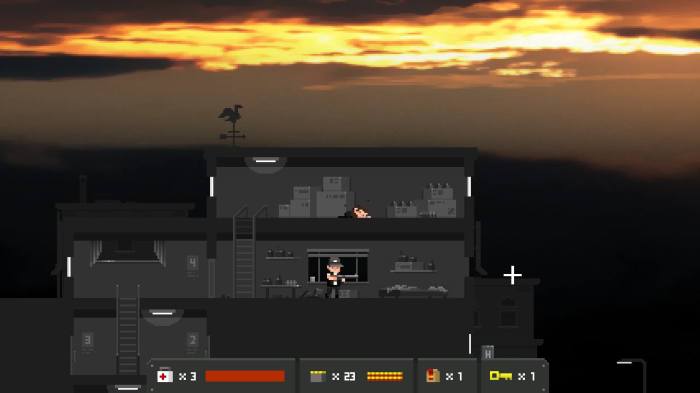
It's as if the player is walking over an anthill, unaware that this complex and convoluted warren exists beneath their shoes. And over the course of the game, this conceit will be used again and again and again, sometimes with added flourishes or small tweaks to its simple formula. Every level is circular, just as the game itself is, with the end of each circle adding a final revelation.

On XCOM 2: War of the Chosen, and the Stories We Build for Ourselves

But now I'm in the position of having lost weeks of my life to the modern XCOM series: first to XCOM: Enemy Unknown in May, and now to XCOM 2: War of the Chosen. And to explain why, first, I need to tell you about Brigitte "The Truth" Martine.