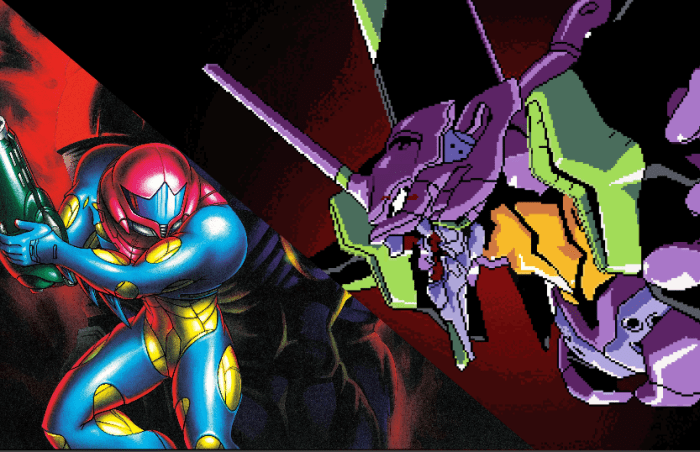
As a medium, video games are defined by different forms of touch. Both the interface between player and game and the action of most games itself relies upon a set of simple rules — what kinds of responses a particular touch will engender, and what groups of pixels can and cannot be safely touched. Games have their own language for these interactions: collision detection defines the act of in-game touch, and hitboxes measure where and when that touch brings pain. In most games, this becomes a kind of broad and neutral framework: a foundation on which mechanical and narrative structures can be built. But in Metroid, touch becomes its own singular kind of horror.
Tag: television
Everything Everywhere All At Once vs. the Decade of Cynical Art
As we all slowly drift away from the media landscape of the 2010s, I've found myself obsessed with what might be its most unwavering aesthetic pillar. From the Marvel Universe's cinematic sprawl, to our final great shared cultural object in the form of Game of Thrones, to the explosion of reality TV, to a set of Best Picture winners that includes films like Argo, Spotlight, and Birdman — our last decade of popular culture was defined by a specific and enduring strain of cynicism. Film and television, particularly American film and television, particularly American film and television that might be seen by anyone outside of tiny arthouse theaters or tight-packed city centers, had to guard itself against the charge of taking itself too seriously. This was the decade that American film and television became afraid of its own potential, and I think a lot of people never want to leave that comfort zone behind.
Disco Will Not Save the World Unless it Saves You First
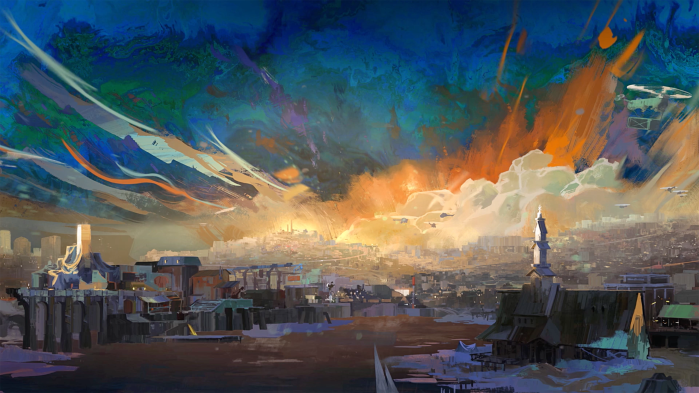
At its core, Disco Elysium is a game about the "post-" in words like postcolonial, postrevolutionary, posthistorical, postmodern; it is about living in the nebulous after, in the shadow of a happening much larger than whatever small piece of the world we can identify ourselves. And so, its version of a new way forward becomes almost unrecogniable — like a creature blending with the reeds.
Death Stranding, Animal Crossing, and the Fantasy of Honest Work | GOTY 2020
Both Death Stranding and Animal Crossing imagine a kind of ending. The former: a more traditional vision of apocalypse, with a fractured society on a track to extinction. The latter: a more abstract ending — an end of needs and wants, replaced with something that one might be able to call "honest" work.
Moooommmm!!: A Feminist Reading of Phineas and Ferb
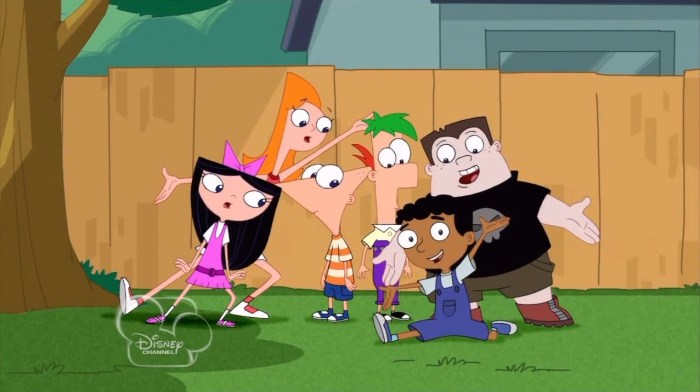
Ah, Phineas and Ferb, legendary chronicle of the immortal adventures of Phineas Flynn and Ferb Fletcher, it may have only been a year or so since you were yanked from the airwaves, but it feels like so much longer. Now that those halcyon days of eternal summer have passed into the rearview, I find myself longing for your exuberant … Continue reading Moooommmm!!: A Feminist Reading of Phineas and Ferb