In Outer Wilds, They Blew Up the Sun, and There Was Nothing We Could Do

Outer Wilds is infused with a lingering tinge of melancholy, coupled with an overwhelming sense of smallness... All of these systems operate like clockwork, unfazed by your minuscule intrusions. In much the same way the Sun will never respond to your pleas. As you uncover the story of the Nomai, you learn—through implication and observation, through long-forgotten writings and the broken remains of their stations—that because of a lack of foresight and one too many human mistakes, there is no way to stop the progress they tried and, in their time, seemingly failed to set in motion. Millions of years later, their machines blew up your sun. And there's nothing you can do to stop it.

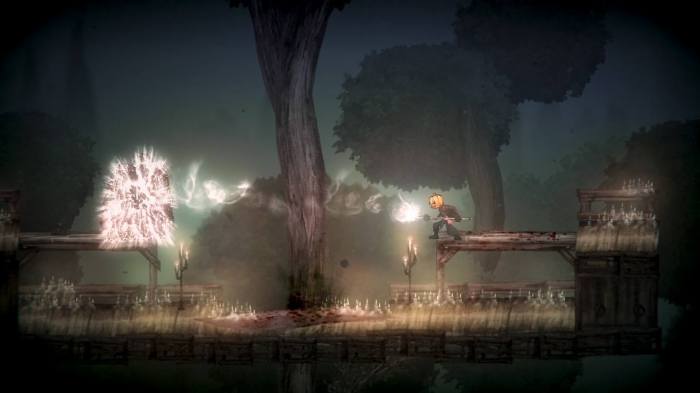
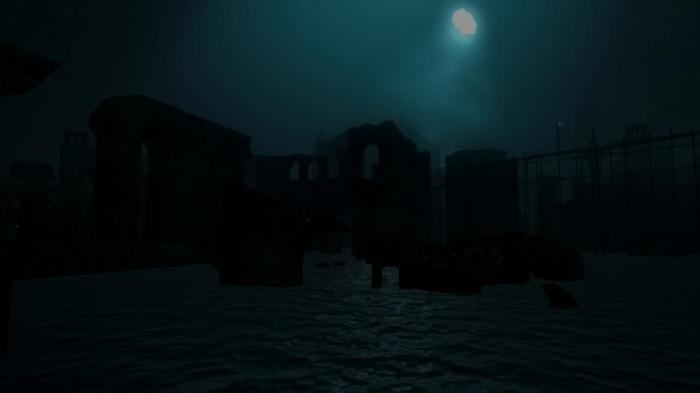
On the Creeping Horror of Salt and Sanctuary, and its Island of Twisted Reflections

In doing so, Salt & Sanctuary builds one of the most rewarding final acts I've experienced in a video game, that translates an atmosphere of mounting dread into a sequence of sudden, heightened horror, and then, in its final moments, a rush of catharsis.

On Dark Souls II: Ephemera, Entropy, and the Inevitability of Loss

The ragged white knights in Heide's Tower of Flame don't even rise when you first enter the area; they wait for you to slay the area's first boss before even bothering to stand. The soldiers in Drangleic Castle begin as statues, shaking themselves to life as if awaking from a thousand-year slumber. They still fight, but everything seems tired. Exhausted, even. Like they don't even know what they're fighting for. This is fitting, because it elucidates Dark Souls II's core thesis. At its heart, this is a game about loss.

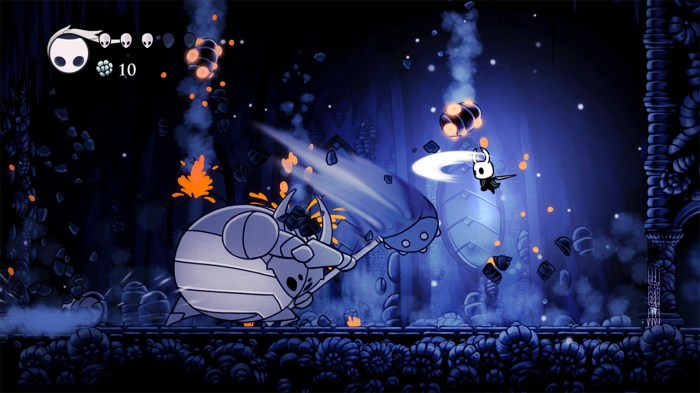
Six Years before Breath of the Wild, Dark Souls Reinvented The Legend of Zelda

But the bond between Dark Souls and Ocarina of Time runs far deeper than their initial obtuseness—to a point where the first Soulborne game feels like a crystallization of the first 3D Zelda’s design ethos. Both present the player with complex, interlocking worlds; spaces that revel in a secret, paradoxical linearity that curves and bends and doubles back on itself, that focuses on shortcuts and secret paths to optimize the player’s path forward. In Ocarina, those are its dungeons; in Dark Souls, that’s the design philosophy behind the entire world.

The ’18 Best Games of 2018: Part II

Perhaps that title is a bit paradoxical, since this is, by definition, no longer a list of the best games of 2018. But I'm of the opinion that recency bias has a bit too much leverage in our blink-and-you'll-miss-it world, so let's start 2019 right by rolling that back juuuust a bit.

The ’18 Best Games of 2018: Part I

If that title sounds like a lot, don't worry—this is a two-part list, and if you're pressed for time, either half should be an enjoyable respite from the apocalyptic rain of acid and flames that, if anything, should bring 2018 to a close. In the grand tradition of Mario Kart's Nitro and Retro halves (well, since Mario Kart DS at least), I'll be listing the best games I've played this year in two halves—first, games released in 2018; second, games released elsewhere (well, mainly in the past) that I first played this year. And maybe the sum of the two will be a bit long, but hey, there's a really awful pun near the end of this one (can you spot it?), and you can go grab some popcorn at the intermission.

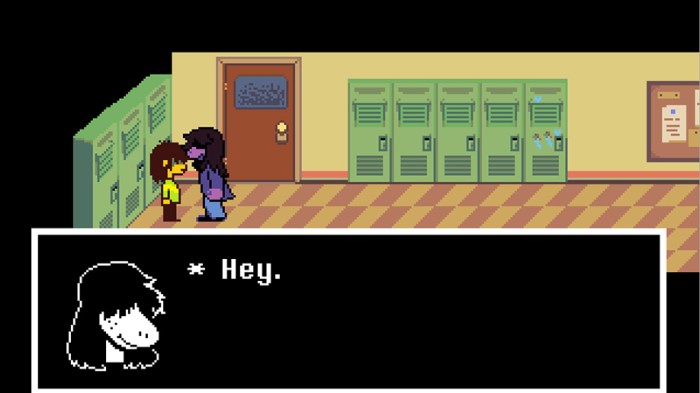
How Deltarune Tells a Story About Loss and Loneliness… with Some Help from Children’s Lit

Right now, it's rough around the edges, clearly a bit unfinished, but still crystallized in a way that feels wholly rougher, odder, and more unique than its more polished predecessor. In that very literal sense, I hope it does end up as a Majora's Mask to an Ocarina of Time—a piece of art that leverages the iconography of a (brilliant) original to tell a weirder, rougher kind of story. One wholly appropriate to the brand of children's literature it draws from, and the control-based medium in which it makes its home.

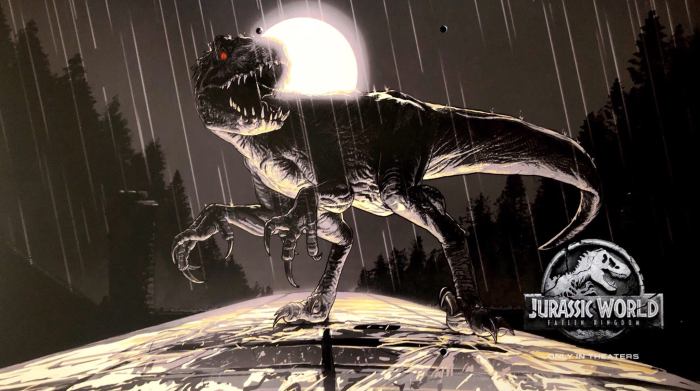
The Refreshing Horror and Heart of Jurassic World: Fallen Kingdom

Jurassic World: Fallen Kingdom has, at its core, two very different movies fighting for dominance. One is the modern mediocre action movie, with its clichéd, easy-to-predict one-liners and bland, slightly-stubbled leading man and elaborately choreographed yet snore-inducing hand-to-hand combat sequences. The other is a genuinely deep and compelling iteration on the series it carries on—a series that has rarely managed to capture any of the magic of Spielberg's original masterpiece, but here comes the closest it ever has to understanding what made that first movie so good.

On XCOM 2: War of the Chosen, and the Stories We Build for Ourselves

But now I'm in the position of having lost weeks of my life to the modern XCOM series: first to XCOM: Enemy Unknown in May, and now to XCOM 2: War of the Chosen. And to explain why, first, I need to tell you about Brigitte "The Truth" Martine.

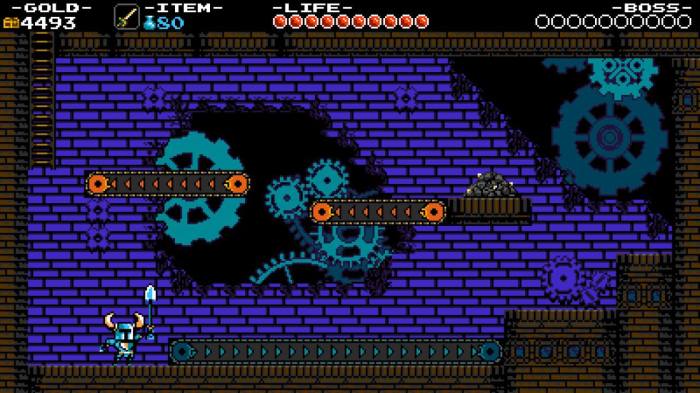
Like Clockwork: Working Through Depression in Shovel Knight’s Clockwork Tower

This is an article I wrote for First Person Scholar, a really awesome website that does work in the space between academic journals and popular games criticism. It's about a game that's very close to my heart for how it's helped me work through anxiety and depression.